Skin Care
Our skincare program combines expert training with the power of our medical-grade Image Skincare line to deliver real, lasting results. Our estheticians take the time to understand your unique skin, tailoring each treatment to meet its specific needs. With us, you'll experience a personalized skincare routine designed just for you—no guesswork, just effective, noticeable results.

Peel FAQ
The Lightening Lift Peel is a professional chemical peel designed to target the appearance of uneven skin tone, discoloration, sun damage and post-breakout marks. Because this is a more corrective treatment, proper preparation + aftercare are important for your results.
-
The Lightening Lift Peel is best for those wanting to improve dull skin, mild to moderate discoloration, sun spots or visible sun damage, post-inflammatory hyperpigmentation, post-breakout marks, uneven tone, and dry or dehydrated skin.
If you are unsure whether a medication, skincare product, health condition or recent treatment affects your eligibility, please contact the studio before your appointment. Do not discontinue a prescribed medication unless instructed to do so by the healthcare professional who prescribed it.Certain conditions, medications and recent treatments may prevent you from receiving this peel or require your appointment to be postponed including:
Pregnancy or breastfeeding
Current or recent isotretinoin use
Prescription retinoid use
Medications that increase photosensitivity
Active cold sores, infections or inflammatory skin conditions in the treatment area
Open wounds, excoriations, sunburn or a compromised skin barrier
Recent prolonged or excessive sun exposure
Recent waxing, laser treatments, microneedling, dermaplaning or other resurfacing treatments
Recent surgery or injectable treatments in the treatment area
History of abnormal scarring or delayed wound healing
Uncontrolled diabetes or other conditions that may interfere with healing
Known allergies or sensitivities to ingredients used in the treatment
Previous significant or adverse reactions to chemical peels
Current use of hydroquinone, strong exfoliating acids or prescription pigment-correcting products
-
For at least one week before your peel, unless your esthetician has instructed you otherwise:Discontinue retinol, retinoids and other potentially irritating or exfoliating skincare products.
Avoid waxing, electrolysis, dermaplaning and other facial treatments in the treatment area.
Avoid excessive or prolonged sun exposure and tanning.
Do not begin new exfoliating, corrective or highly active skincare products.
Keep your skin hydrated and use broad-spectrum SPF 30 or higher daily.
Please arrive without a sunburn, active irritation, open skin or a compromised skin barrier. If your skin becomes irritated, sunburned or otherwise compromised before your appointment, please contact us. Your treatment may need to be rescheduled for your safety.
-
During treatment, you may experience tingling, warmth, stinging or temporary sensitivity. The intensity varies from person to person. Your esthetician will monitor your skin throughout the treatment and may adjust the treatment based on your skin's response. -
Possibly. Visible peeling varies from person to person and is not required for the treatment to be effective.Following your peel, you may experience redness, tightness, dryness, sensitivity, mild swelling, flaking or visible peeling. Existing areas of pigmentation may temporarily appear darker before shedding or gradually improving. Temporary blemishes or breakouts may also occur.
Flaking or peeling may begin a few days after treatment, with an expected recovery period of approximately 5 to 7 days. Individual responses can vary.
-
Your skin will be more vulnerable while it recovers, so following your aftercare instructions is essential.Use the post-treatment products provided or specifically approved by your esthetician.
Avoid strenuous exercise, saunas, steam rooms, hot tubs and excessive heat for at least 48 hours.
Minimize direct sun exposure.
Apply broad-spectrum SPF 30 or higher every day and reapply as appropriate. Continued daily sunscreen use is especially important when treating pigmentation and helps protect your results.
Do not pick, peel, pull or manually exfoliate flaking skin.
Avoid retinol, exfoliating acids, scrubs, benzoyl peroxide and other irritating active ingredients until your skin has fully recovered and you have been cleared to resume them.
Avoid waxing, exfoliation and additional facial treatments until the skin is completely healed.
-
Some clients notice brighter, more refreshed-looking skin after one treatment.For best results, the Lightening Lift Peel is often performed as a series. A typical treatment plan may include approximately 3 treatments spaced 2 to 4 weeks apart, depending on your skin, goals and response to treatment.
Your esthetician will recommend the treatment schedule that is most appropriate for your skin.
-
We do not recommend scheduling your Lightening Lift Peel within 2+ weeks of a wedding, vacation, photoshoot or other important event.Because redness, dryness, flaking or visible peeling may occur for several days after treatment, allow adequate recovery time before an event. If this is your first professional peel or you are unsure how your skin will respond, giving yourself extra time is recommended.
Additionally, sun exposure can increase sensitivity and the risk of unwanted pigmentation following a chemical peel, this treatment should not be scheduled around periods of significant sun exposure or tanning. If you have recently had substantial sun exposure or have an upcoming beach, pool or outdoor vacation, please contact the studio before booking so we can help determine appropriate timing.
Dermaplaning FAQ
-
Dermaplaning is a process that removes the top layer of the skin to improve the absorption of topical products, reduce the visibility of fine lines and wrinkles, prep the skin for chemical peels, target deep acne scars, and achieve healthier, more radiant skin. During the process, a sterilized surgical scalpel is used to gently shave or scrub the skin's surface, eliminating dead skin cells and fine vellus hair. This technique stimulates cell regeneration, enhancing the overall appearance of the skin.
-
No, dermaplaning does not affect hair growth. The vellus hair will grow back at the normal rate and texture.
-
Please note you cannot have dermaplaning done if you:
Are currently taking Accutane or have taken it within the last year
Use topical agents such as glycolic acids, alpha-hydroxy acids, or Retin-A within the last 7 days
Are currently experiencing active acne, inflammatory lesions, herpes simplex/labialis, moles, or warts in the targeted area
Have a history of herpes simplex infections if the perioral area is being treated
Are taking steroids or have used them in the past month
Have had a chemical peel within the last 14 days
Have had Botox within the last 2 weeks before the appointment date
Are pregnant
Experience moderate-to-severe chronic skin diseases such as eczema, dermatitis, psoriasis, or other skin rashes
Are experiencing any type of cancer
Have extreme keloidal tendencies
Are immunosuppressed
Are currently on chemotherapy or radiation
Have a history of keloid formation or hypertrophic scarring
Experience pigmentation problems from acne
Have hemophilia or scleroderma
Are taking hormonal therapy that produces thick pigmentation
Are taking oral blood thinner medications
Experience rosacea
Currently have skin cancer or a sunburn
Have microblading, tattoos, telangiectasia/erythema, or vascular lesions in the treatment area
Have super thick or dark hair (blades are not made for beard-type hair)
Have diabetes that is not well-managed
-
To ensure optimal results and protect your skin after a dermaplaning treatment, follow these guidelines:
Sun Protection: Completely avoid direct sunlight and strong UV light exposure, including tanning beds, immediately following the treatment. Apply SPF 30+ daily to the treated area for at least two weeks to protect the skin and prevent discoloration.
Gentle Cleansing: Cleanse the treated area twice daily using a gentle, post-treatment cleanser. Follow with a hydrating serum or treatment cream suitable for your skin type.
Daily Sunscreen Application: Ensure daily application of SPF 30+ sunscreen to shield your skin from UV damage and maintain the results of your treatment.
Avoid Intense Activities: Refrain from aerobic exercise or vigorous physical activities until any redness has subsided to avoid additional irritation.
-
Depending on the type of dermaplaning facial you choose with us, it will last from 60 to 90 minutes.
-
Dermaplaning can improve skin texture, remove dead skin cells, enhance the effectiveness of skincare products, and create a smoother surface for makeup application.
Potential side effects include slight redness, minor breakouts, and very rarely, scarring or infections. These are typically mild and resolve quickly.
Individuals with active acne, inflammatory skin conditions, or certain medical conditions (e.g., recent use of Accutane) should consult with a dermatologist before undergoing dermaplaning.
General FAQs
-
facials remove dead skin + toxins caused by pollution, grease, + dirt found in your everyday environment, increase collagen, increase cell growth development, + cleanse the surface of the skin.
facials also help to improve + restore circulation to the skin, increasing the flow of oxygen-enriched blood to skin cells, this rush of blood to the skin gives your skin a healthy glow + plumps skin cells with vital nutrients + water, which reduces the appearance of wrinkled/dry skin.
if you aren’t someone who wants to invest in a routine with professional facials, we do recommend an occasional treatment-based facial to give your skin a breath of fresh air (literally).
-
The frequency of facials depends on individual skin type, concerns, and goals. Generally, it's recommended to get a facial every 4 to 6 weeks. This aligns with the skin’s natural regeneration cycle and allows for consistent care and improvement.
-
To prepare for a facial, it’s advised to avoid heavy exfoliation or the use of strong skincare products (like retinoids) for a few days prior.
Arrive with a clean face, and avoid makeup if possible.
Additionally, it’s helpful to inform your esthetician about any skin conditions, allergies, or recent treatments to ensure the facial is tailored to your needs.
Image Skincare
-
![Four skincare tubes labeled 'Image Skincare Prevention+' with SPF 50 and SPF 30, standing upright on a beige surface with swatches and dollops of cream and lotion in front of them. A small white bottle labeled 'Image Skincare Prevention+' is also present between the tubes.]()
Prevention Line (SPF)
offering a multi-functional defense moisturizer with advanced SPF + powerful antioxidants like vitamin c + green tea. designed to protect all skin types from UV damage—the leading cause of premature aging—this line helps maintain youthful, radiant skin while shielding it from the visible effects of sun exposure. keep your skin protected + luminous with this essential, high-performance skincare solution.
-
![]()
Ormedic Line (Sensitive)
this line combines the purest organic ingredients + soothing botanicals, with medical-grade effectiveness to deliver clinically proven results. rich in potent antioxidants, Ormedic nurtures all skin types, balancing + restoring skin health with gentle yet powerful care—free from chemicals, acids, + parabens.
-
![Collection of skincare products including tubes, jars, and bottles labeled with 'VITAL C' and 'IMAGE'. Some products are open with cream or serum visible, arranged on a peach background with dollops of cream and serum scattered around.]()
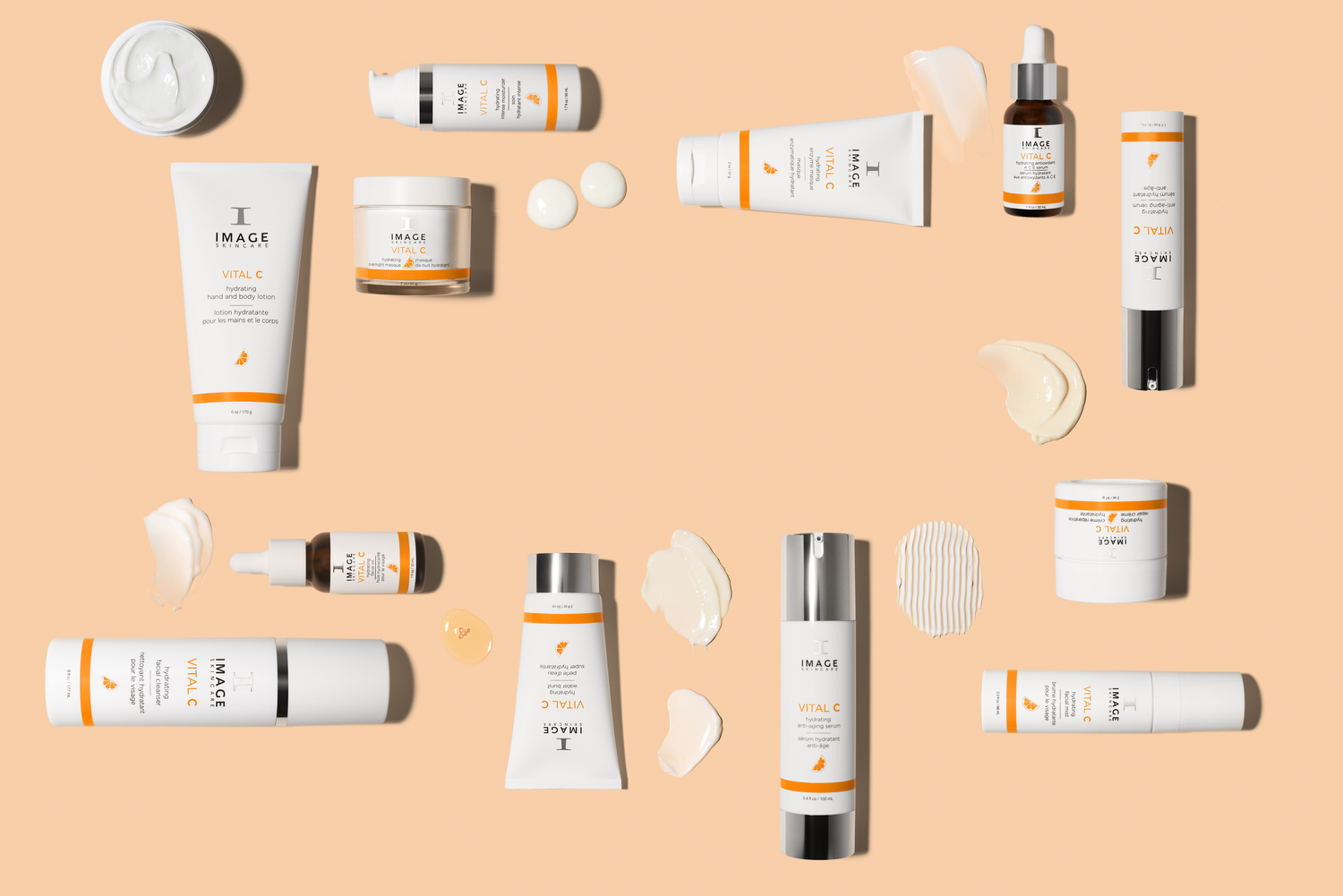
Vital C Line (Hydrating)
a nourishing line perfect for dry, dehydrated, rosacea-prone, + sensitive skin. infused with a rich blend of antioxidants + natural botanicals, this collection revitalizes dull, sun-damaged skin while providing ultimate protection + hydration. enriched with vitamin c, it brightens, restores, + enhances radiance, leaving your complexion rejuvenated + deeply nourished.
-
![An array of skincare products from the IMAGE skincare CLEAR CELL line, including cleansers, toners, moisturizers, serums, and applicators, arranged on a light blue background with some swatches of cream and gel.]()
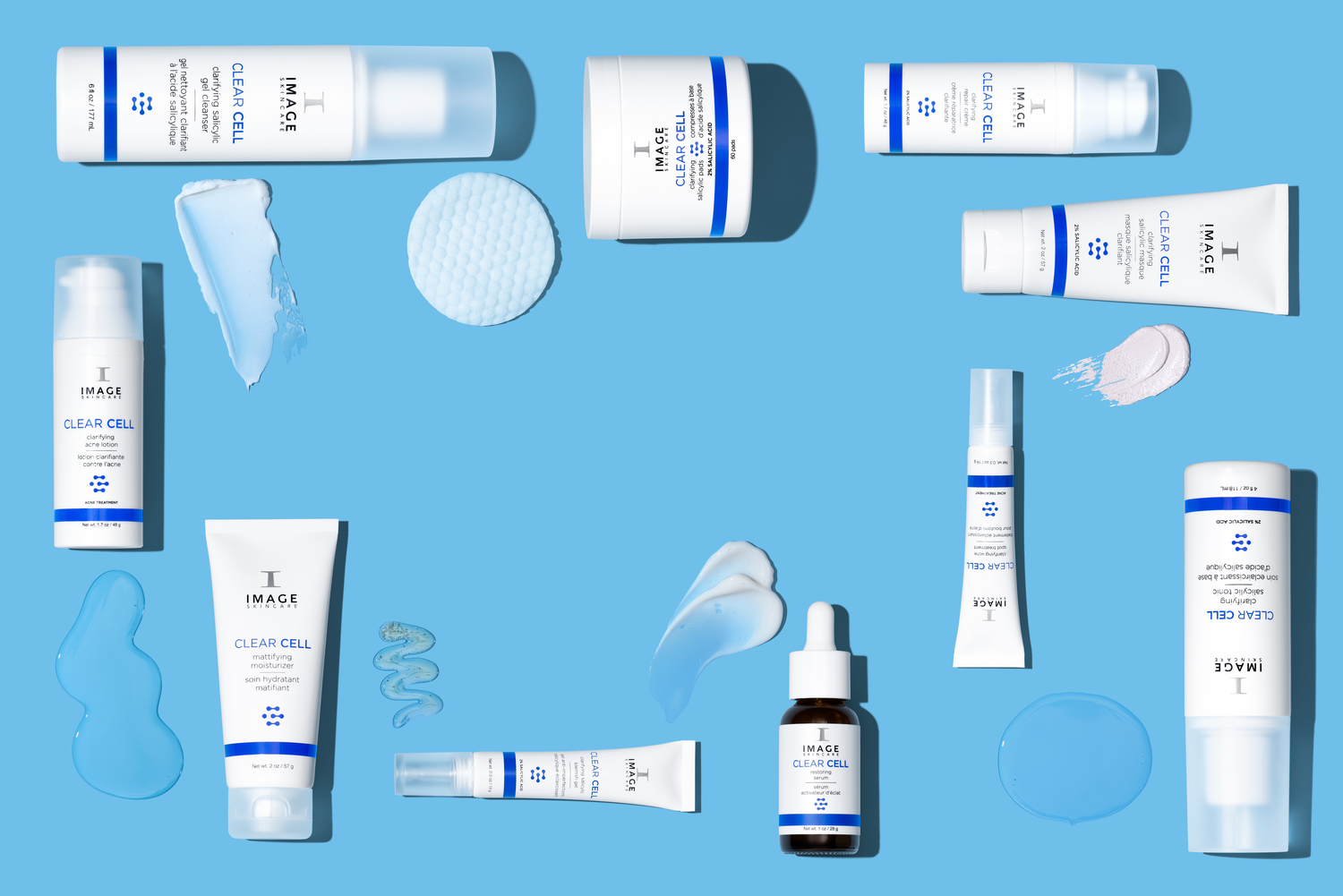
Clear Cell Line (Acne)
delivers a targeted solution for oily + acne-prone skin, harnessing the power of advanced acne-fighting ingredients like salicylic acid + benzoyl peroxide. infused with soothing anti-inflammatory botanicals, this line purifies, reduces excess oil, + refines pores for a clearer, smoother complexion.
-
![Collection of skincare products from Image Skincare's Ageless line, including bottles, jars, and tubes with white and silver packaging, arranged on a light gray background.]()
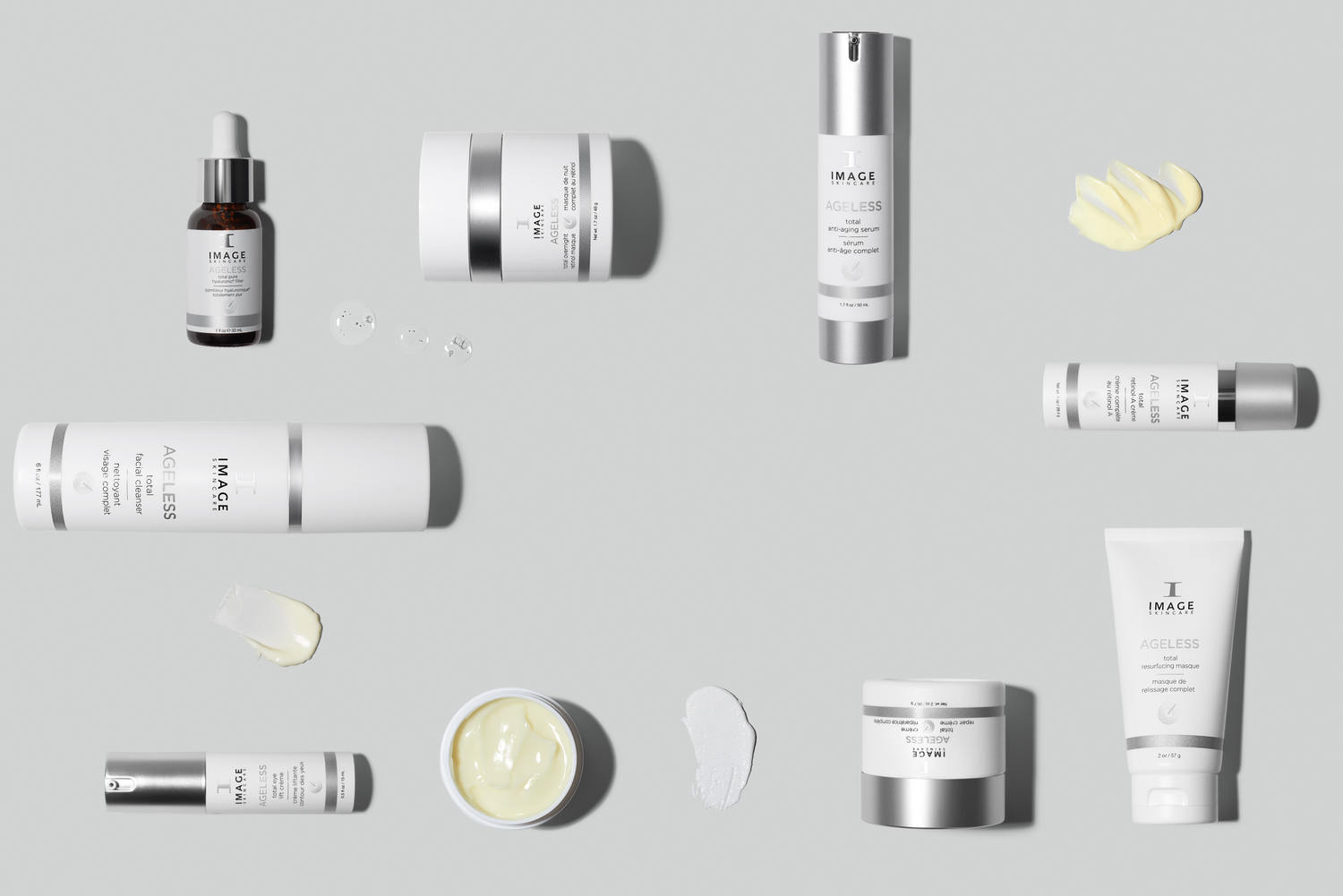
Ageless Line (Mature Skin)
a blend of peptides, retinol, lightening agents, + antioxidants working to combat the visible signs of aging caused by environmental stressors. perfect for those seeking to preserve youthful skin, this line focuses on fine lines, wrinkles, + texture, encouraging collagen production for a smoother, firmer, + more radiant complexion.
-
![Collection of skincare products including tubes and bottles of the IMAGE skincare line, along with dollops of white cream or lotion on a gray background.]()
Max Line (Advanced Anti-Aging)
a high-performance anti-aging line crafted with potent, active ingredients that protect skin at the cellular level. designed to combat oxidative stress, UV damage, + nutritional imbalances, it rejuvenates mature skin with a powerful blend of plant-derived stem cell technology + nutripeptides. this indulgent collection plumps, lifts, + firms the skin, visibly reducing deep wrinkles +restoring elasticity.